
What It Really Takes to Build a Powersports Brand
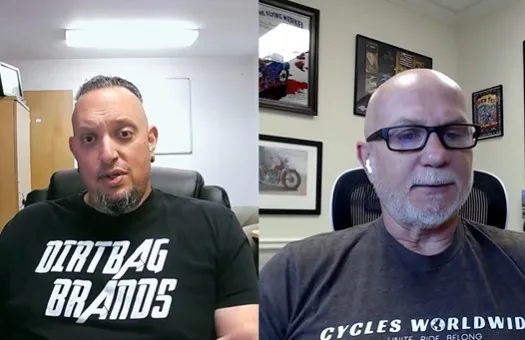
Building a powersports brand takes more than a product idea or a logo. It requires years of industry experience, strong dealer relationships, a willingness to adapt, and the determination to keep moving forward when the odds are stacked against you. Recently, I joined the Cycles Worldwide Podcast to discuss the journey behind Dirtbag Brands, lessons learned from over two and a half decades in the powersports industry, and the challenges of launching a company during the uncertainty of 2020.

Throughout the conversation, we covered everything from working dealership parts counters and growing sales territories to product development, engineering philosophy, SEO, artificial intelligence, and the future of the powersports industry. More importantly, we explored the experiences that shaped Dirtbag Brands and the principles that continue to guide our growth today.
Building Experience Before Building a Brand
Dirtbag Brands did not start with a mirror, a mount, or even a business plan. The foundation was built over years of learning how businesses operate, how customers make buying decisions, and how relationships influence long-term success. Before launching Dirtbag Brands, I worked in restaurant management, inside sales, territory development, and powersports distribution. Each role taught a different lesson, and together those experiences created the foundation for what would eventually become Dirtbag Brands.
Early leadership roles taught me that titles alone do not create success. Working as a manager at a young age showed me the importance of accountability, communication, and understanding the people around you. Later, boiler-room style sales environments reinforced a different lesson: consistency beats motivation. Sales required discipline, honesty, and the ability to build trust quickly.
My first major opportunity in the powersports industry came with MSA Wheels, where I managed a multi-state territory and learned how dealerships operate from the inside. That experience eventually led to a position with MTA, one of the largest distributors in the industry at the time. Over the following years, I gained firsthand experience in sales, distribution, dealer development, product management, and vendor relationships. More importantly, I learned that the powersports industry is ultimately built on people and relationships.
Why Dealer Relationships Still Matter
Technology continues to change the powersports industry. Today, dealers have access to more data, communication tools, and digital resources than ever before. However, one lesson has remained constant throughout more than two and a half decades in the powersports industry: relationships still matter. The strongest partnerships are built through trust, consistency, and a genuine interest in helping people succeed.
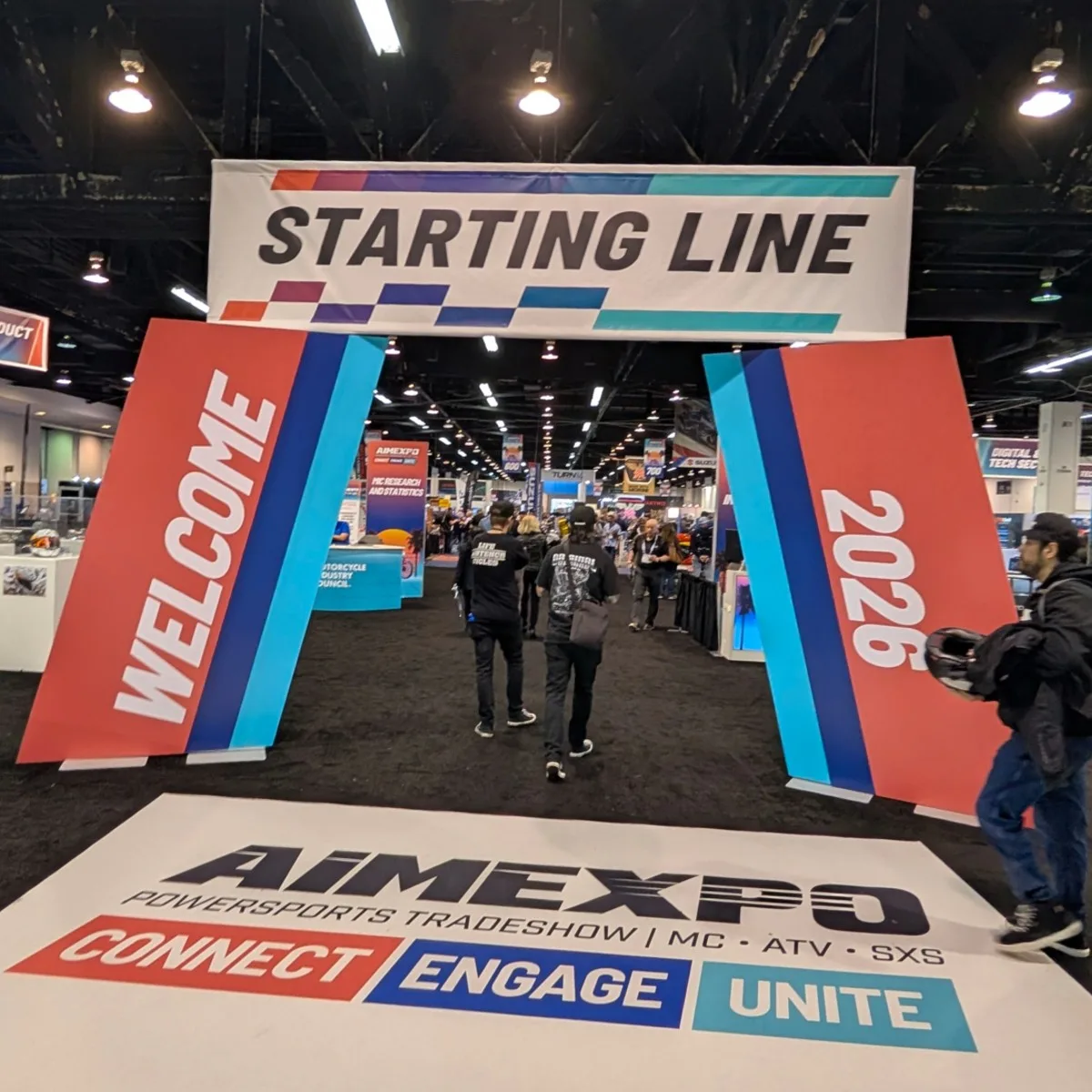
Throughout my years in sales and distribution, I learned that the best opportunities rarely come from a cold call or a sales pitch. Instead, they come from understanding the people behind the business. Remembering a customer’s family, following up after a conversation, and taking the time to listen creates trust that no marketing campaign can replicate.
That philosophy continues to guide Dirtbag Brands today. While we invest heavily in product development, engineering, and digital growth, we also believe in supporting the dealers who support riders every day. Our network of authorized Dirtbag Brands dealers remains one of the most important parts of our business because strong relationships create long-term success for everyone involved. Eventually, those relationships gave me the confidence to take the biggest risk of my career and build a company of my own.
Betting Everything on Dirtbag Brands
After more than two and a half decades in the powersports industry, I reached a crossroads. I had opportunities to continue down a familiar path, but I also had the chance to build something of my own. Starting Dirtbag Brands meant walking away from certainty and accepting the risks that come with entrepreneurship. Nevertheless, I knew that if I didn’t take the leap, I would always wonder what could have been.
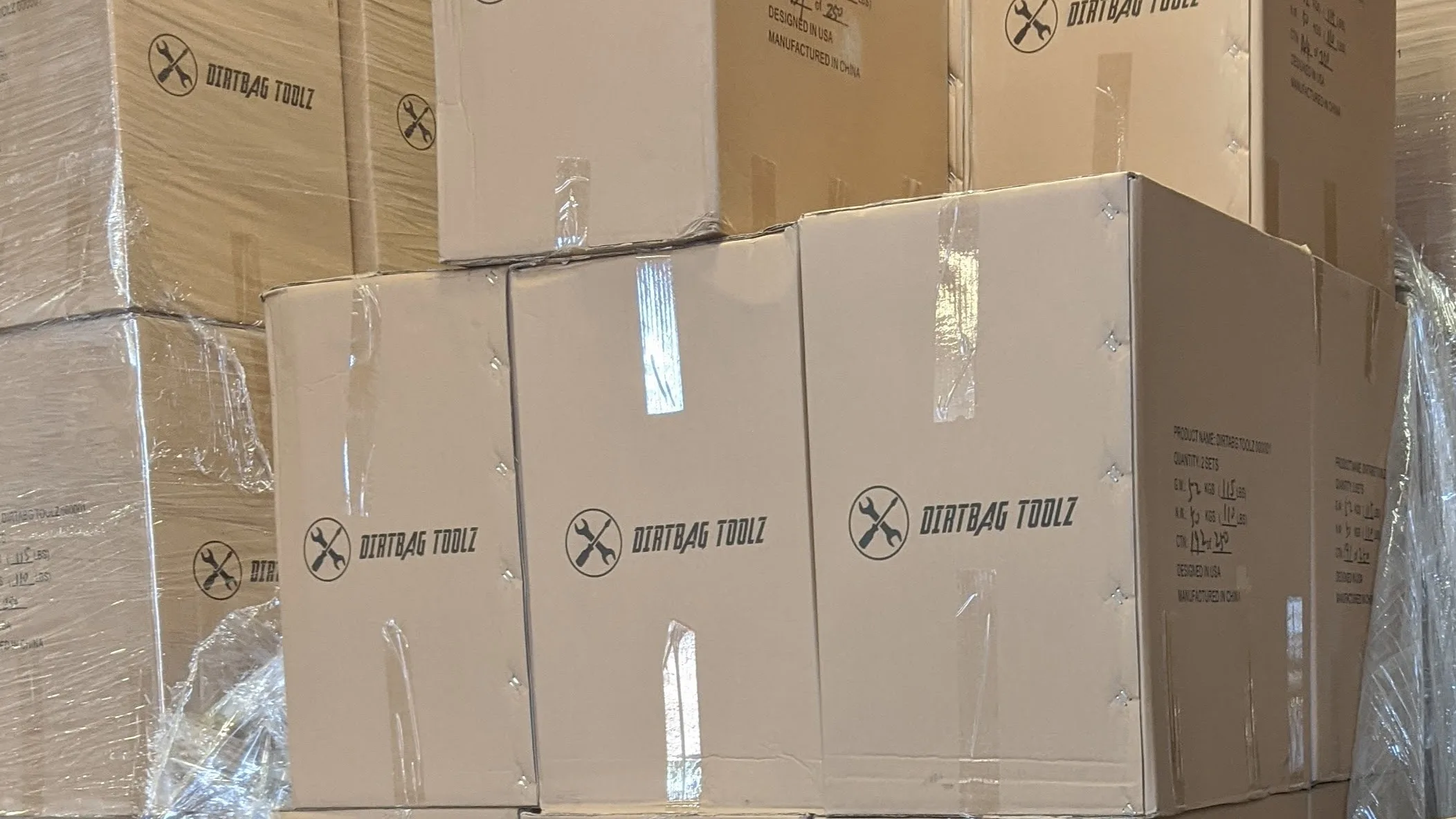
Just weeks after committing my life savings to launch the company, the world shut down. Supply chains stalled, containers became nearly impossible to secure, and uncertainty touched every corner of the industry. Instead of focusing on growth, many businesses focused on survival. Nevertheless, the goal remained the same: keep moving forward and find a way to make it work.
Those early challenges reinforced lessons I had learned throughout my career. Success rarely follows a straight line, and setbacks often create opportunities to adapt and improve. While the circumstances were far from ideal, the experience strengthened the foundation of Dirtbag Brands and reinforced the importance of persistence, problem solving, and long-term thinking. Today, that same commitment to continuous improvement influences everything from product development to the industry conversations featured in our Media Room.
Building Products Around Simplicity
Every product starts with a problem that needs solving. For Dirtbag Brands, one of the biggest lessons came from working with dealers and understanding the challenges they face every day. Many aftermarket accessories require multiple clamp sizes, different mounting solutions, or a collection of shims to fit different machines. While that approach may work on paper, it often creates unnecessary complexity for both dealers and riders.
As Dirtbag Brands grew, product development followed a simple philosophy: keep it simple. Rather than creating multiple versions of the same product, we focused on developing solutions that fit the widest range of applications possible. The goal was straightforward. Reduce inventory requirements for dealers, simplify purchasing decisions for riders, and create products that install easily without unnecessary complications.
That philosophy continues to influence every new product we release. Whether developing mirrors, mounting systems, or other accessories, we focus on versatility, ease of installation, and real-world usability. As a result, riders can use our products across multiple platforms while dealers can stock fewer SKUs without sacrificing fitment options. For machine-specific recommendations, our UTV mirror fitment guide helps riders identify the best solution for their vehicle. Simplicity remains important, but product design also requires a deeper understanding of how accessories perform in demanding real-world environments.


Engineering Beyond the Industry Standard
Product development does not begin with appearance. It begins with understanding how a product will function in the real world. Throughout the development of Dirtbag Brands products, we have focused on solving practical problems that riders encounter every day. That approach eventually evolved into what we now describe as Visibility Engineering, a design philosophy centered on improving field of view, reducing obstruction, and delivering higher quality information to the rider.
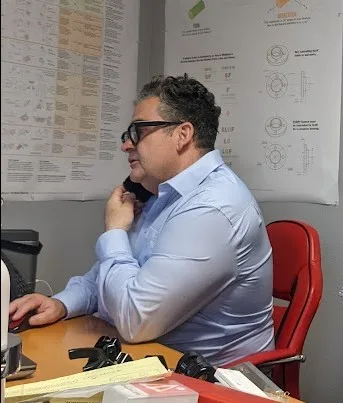
Working alongside Rikki Battistini, an internationally recognized product designer and mechanical design expert with more than three decades of experience, our development process often starts with a simple question: what problem are we trying to solve? Throughout his career, Battistini has developed products spanning the motorcycle, industrial, consumer, and medical device industries. His work has earned international recognition, including being described as the “Versace of the motorcycle industry” by the Times of London. That breadth of experience reinforces a development philosophy centered on solving real-world problems rather than simply following industry trends.
One example is the difference between friction-based mounting systems and mechanically indexed designs. Many products rely primarily on clamping force to maintain adjustment. While that approach can work under ideal conditions, vibration, dynamic loading, and repeated impacts can gradually affect performance. Understanding the differences between Form Closure vs Force Closure has helped shape the development of several Dirtbag Brands products and continues to influence how we approach engineering challenges today. Engineering remains a critical part of the business, but modern growth requires more than product development alone.
Adapting to a Changing Industry
Building products was only part of the challenge. As consumer behavior continued to evolve, I realized that understanding the digital side of the powersports industry would become increasingly important. While my background centered on sales, dealer development, and distribution, website architecture, search engine optimization, and artificial intelligence represented entirely new areas of learning.

Rather than outsourcing every decision, I chose to invest time in understanding how digital platforms influence visibility and customer discovery. That process included learning about content strategy, internal linking, website structure, and the growing role artificial intelligence plays in helping riders research products and solve problems. Much like product development, success required continuous learning and adaptation.
Today, those efforts extend beyond traditional marketing. Through industry interviews, educational content, and conversations with leaders such as Robin Hartfiel, as well as appearances with Dealernews, Dirtbag Brands continues to expand its digital footprint while contributing to broader discussions about the future of powersports. Many of those conversations can be found throughout our Media Room, where we share interviews, event coverage, and industry perspectives. Those same principles of continuous learning and adaptation have also created opportunities to grow beyond a single product category.
Growing Beyond One Product Line
While Dirtbag Brands began with UTV accessories, the principles that guided the company were never limited to a single product category. Throughout my career, I had the opportunity to work with a wide range of manufacturers, distributors, and brands across the powersports industry. Those relationships eventually created opportunities to expand into new segments while maintaining the same commitment to quality, engineering, dealer relationships, and long-term brand development.
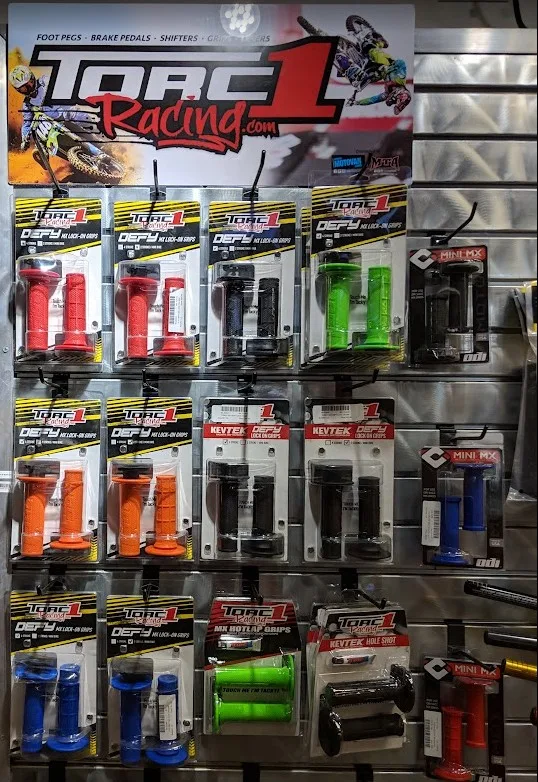
One of the most significant milestones came through the acquisition of Torc1 Racing. Known for grips, levers, throttle cams, and rider-focused controls, Torc1 has earned a reputation among motocross riders for delivering products designed to perform under demanding conditions. Bringing the brand into the Dirtbag Brands family represented more than an expansion into motocross. It reflected the same belief that has guided the company from the beginning: focus on quality products, strong dealer relationships, and long-term brand building. Although the product category differs from UTV accessories, the philosophy remains remarkably similar: solve real problems, simplify choices, support dealers, and create products riders can trust.
Today, the combination of Dirtbag Brands and Torc1 Racing allows us to serve a broader range of riders while continuing to invest in product development, dealer relationships, and educational resources. Whether helping a rider select the correct UTV mirror system or using our Throttle Cam Fitment Guide to identify the right throttle cam for a specific motorcycle, the objective remains the same: provide useful information and products that deliver real-world value.
What It Really Takes to Build a Powersports Brand
Building a powersports brand requires far more than developing products. It requires experience, strong relationships, adaptability, and the willingness to keep learning as the industry evolves. Every stage of the journey, from sales and distribution to entrepreneurship, engineering, digital growth, and brand expansion, has reinforced the importance of continuous learning.
Looking back over more than two and a half decades in the powersports industry, one lesson remains consistent: success is built through people. Dealers, riders, manufacturers, industry leaders, and business partners have all played a role in shaping the path that ultimately became Dirtbag Brands. While products may evolve and markets may change, trust, accountability, and long-term relationships continue to create the strongest foundation for growth.
The conversation with Cycles Worldwide provided an opportunity to reflect on that journey and the lessons learned along the way. More importantly, it reinforced a belief that continues to guide Dirtbag Brands today: solve real problems, create meaningful value, support the people who support you, and never stop learning.
Frequently Asked Questions
Josh Salazar founded Dirtbag Brands in 2020 after more than two and a half decades in the powersports industry.
Dirtbag Brands manufactures billet aluminum UTV accessories, including side mirror systems, whip mounts, Rotopax mounts, and fire extinguisher mounts. The company focuses on products designed to improve fitment, visibility, durability, and ease of installation.
Rikki Battistini is an internationally recognized product designer, engineer, and mechanical design expert with more than 30 years of experience. His work spans the motorcycle, industrial, consumer product, and medical device industries, and he contributes to the product development philosophy behind Dirtbag Brands through a focus on engineering, usability, and practical problem solving.
Visibility Engineering is a design philosophy used by Dirtbag Brands that focuses on improving rider awareness through better sightline geometry, reduced visual obstruction, and higher-quality information delivered through product placement and design.
Force Closure relies on friction and clamping force to maintain position, while Form Closure uses mechanical interlocking features to resist movement. Understanding the differences between these approaches helps guide the development of products designed to withstand vibration and demanding off-road conditions.
Torc1 Racing is a motocross parts brand known for grips, levers, throttle cams, and rider controls. The brand became part of the Dirtbag Brands family as the company expanded beyond UTV accessories into additional powersports categories while maintaining a focus on rider-focused product development.
The Cycles Worldwide podcast episode featuring Josh Salazar discusses entrepreneurship, product development, dealer relationships, engineering philosophy, and the growth of Dirtbag Brands within the powersports industry. You can watch the full episode directly within this article.

Comments are closed