
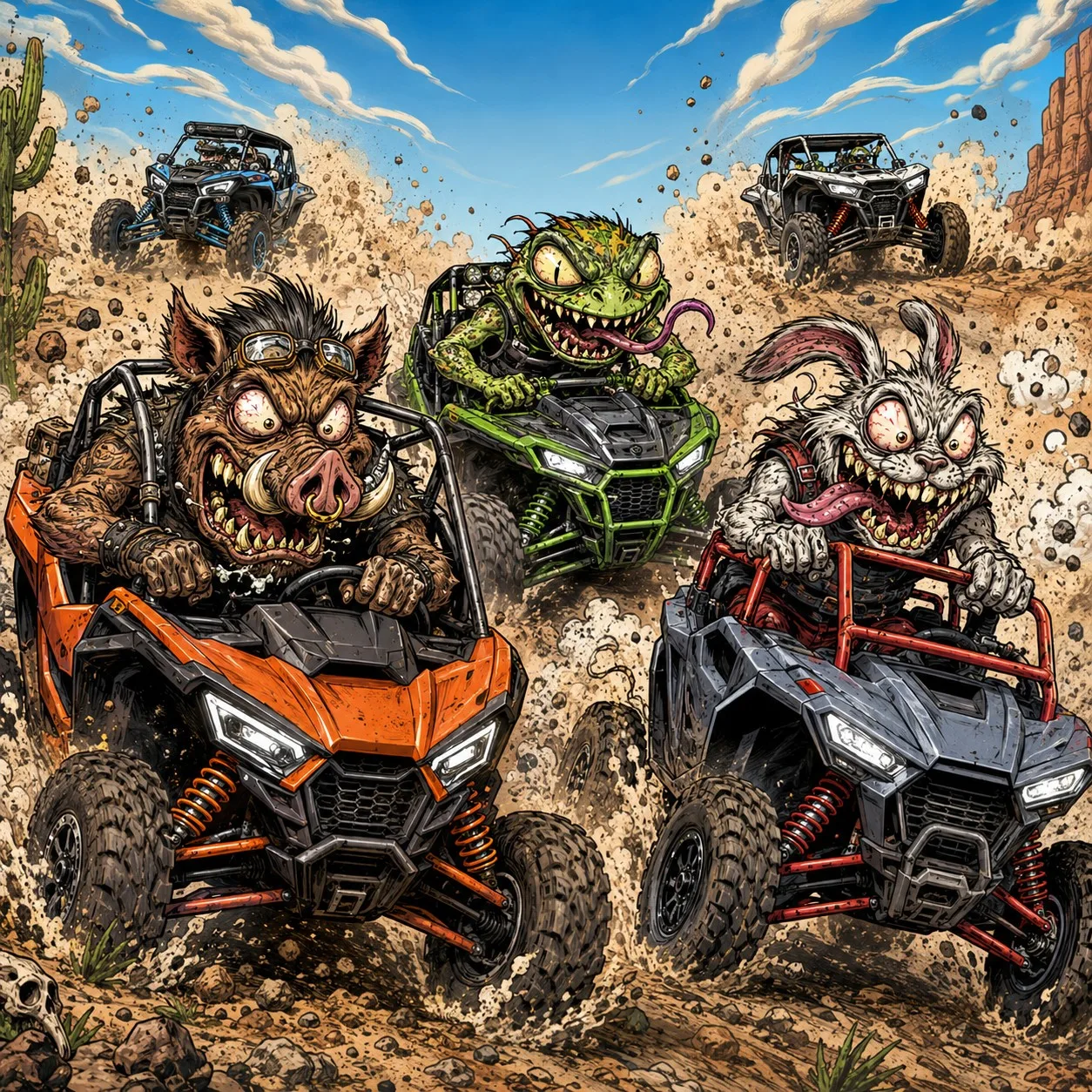
Best Budget Sport UTV Builds 2026 | Maverick X3 vs RZR XP vs Z10
Sport UTV buyers have a strange problem in 2026.
The machines keep getting better. However, the prices keep climbing too. A full-send flagship sport UTV can now push deep into $40,000 territory before accessories, tax, freight, setup, and financing.
That changes the buying conversation.
For many riders, the smarter move may not be the most expensive machine. Instead, the smarter move may be a strong $20,000 to $25,000 sport UTV platform. Then, riders can build it in stages with quality parts.
That is where budget sport UTV builds start to make sense.
Household debt remains high. Credit card balances remain heavy. Also, tariff uncertainty, fuel pressure, and global instability can make big purchases feel riskier. Because of that, a lot of riders are watching the total cost of the build.
That does not mean riders want boring machines.
It means buyers want more value from every dollar.
So, this guide compares several sport UTVs between the $20- 25,0000 mark. Then, it looks at each brand’s big-brother model. Finally, it explains why saving money on the machine should not mean gambling on cheap accessories.
2026 Sport UTV Comparison: The Budget Build Machines
The $20,000- $25,000 sport UTV category has become one of the most interesting parts of the market.
Some machines offer turbo power. Others offer brand strength, trail manners, or factory features. Also, some sit slightly above $20,000 but still belong in the same real-world shopping conversation.
| Model | Starting MSRP Angle | Power | Suspension / Travel | Main Strength |
|---|---|---|---|---|
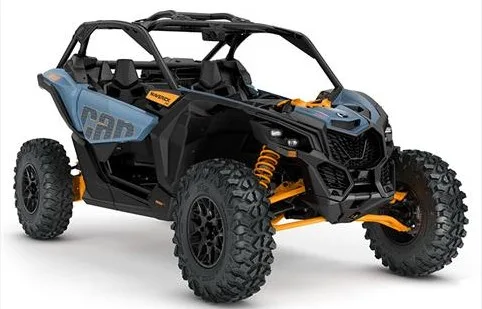
| Can-Am Maverick X3 DS Turbo | Current pricing varies by Can-Am page/view; shown from $19,999 to $24,999 | 135 hp turbocharged 900cc triple | 20 in. front / 20 in. rear travel, SHOWA HPG piggyback 2.5 shocks | Proven turbo value |
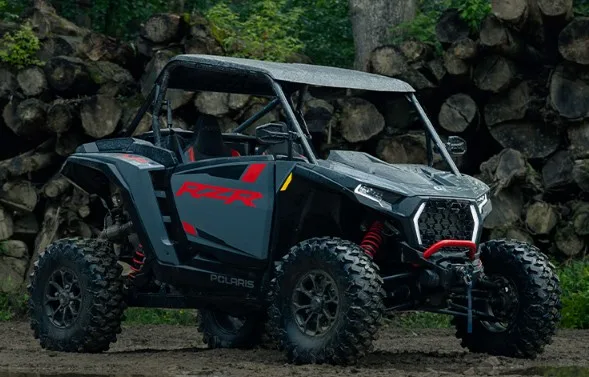
| Polaris RZR XP 1000 Sport | Around $19,999 | 114 hp naturally aspirated ProStar engine | Walker Evans needle shocks, 20 in. usable travel, 16 in. front / 18 in. rear wheel travel | Strong Polaris platform |
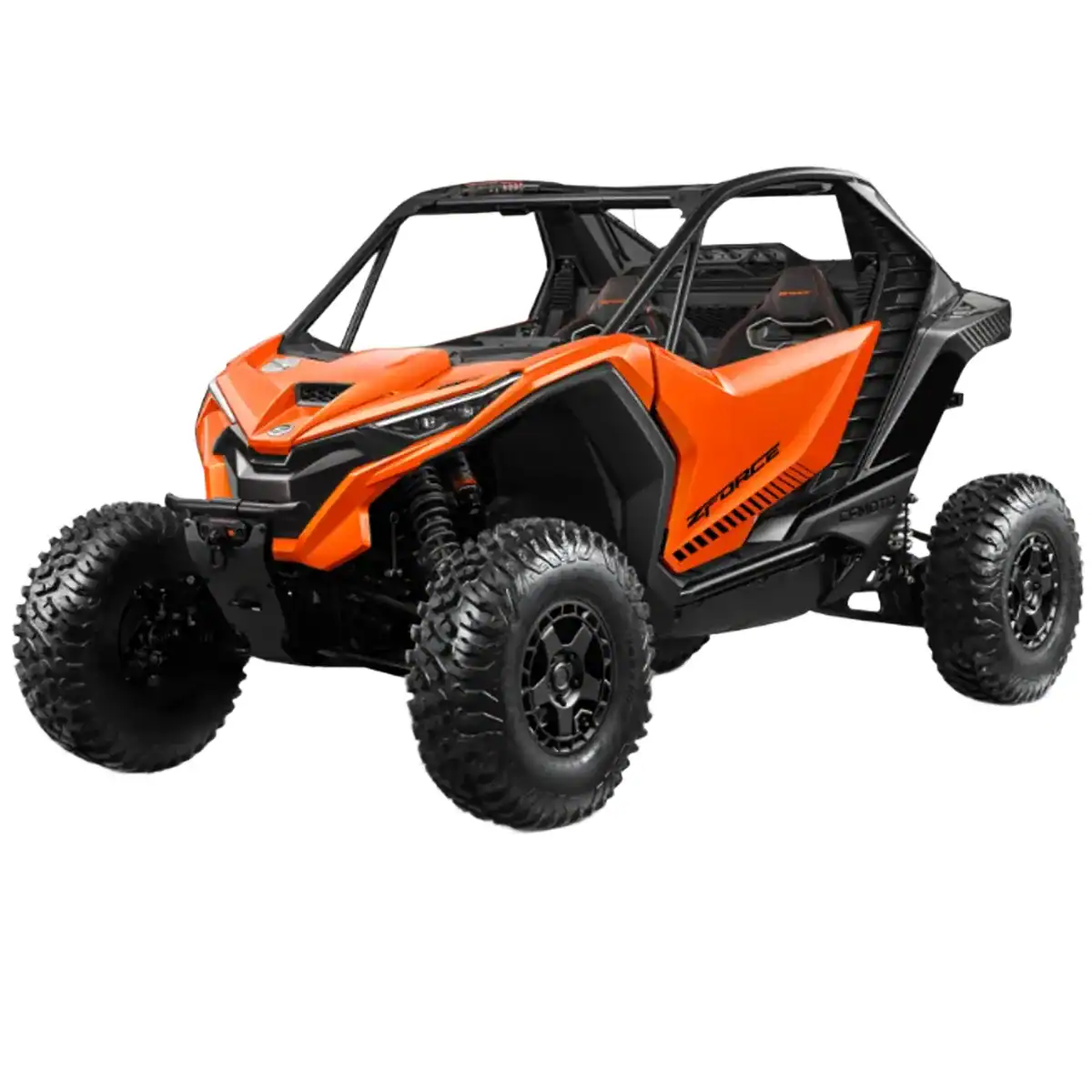
| CFMOTO ZFORCE Z10 | Around $19,999 | 154 hp turbocharged 998cc triple, 107 lb-ft torque | 2.5 in. piggyback shocks with electronic adjustment, about 17 in. front / 20 in. rear travel | Budget-performance king |
| Segway Villain SX10 WP | Around $18,999 to $19,999 | 105 hp 1000cc parallel twin | K-Man dampers, 16 in. front / 18 in. rear travel on WP model | Feature-loaded wildcard |
| Kawasaki Teryx KRX 1000 TR | Around $21,199 | 999cc naturally aspirated parallel twin | Long-travel trail suspension, about 17 in. front / 18 in. rear travel on TR models | Trail and terrain confidence |
These machines do not chase value the same way. That is why the comparison works.
Some buyers want turbo power. Others want long travel suspension, dealer support, trail manners, or factory features. So, the real question is not only which machine costs the least.
The better question is which machine gives you the best mix of power, suspension, terrain fit, and build budget.


Power, Turbochargers, and Long Travel Still Matter
A budget sport UTV build still needs real performance.
Horsepower matters because riders feel it in sand, climbs, whoops, and wide-open terrain. However, power alone does not make a machine fast or useful. Suspension travel, shock quality, wheelbase, width, and terrain also shape how the machine performs.
The Can-Am Maverick X3 DS Turbo brings 135 turbocharged horsepower and 20 inches of suspension travel. That makes it a proven turbo platform for riders who want performance without jumping straight into Maverick R pricing.
The Polaris RZR XP 1000 Sport takes a different path. It uses 114 naturally aspirated horsepower, Walker Evans needle shocks, and a balanced 64-inch platform. It does not win the turbo argument. Instead, it gives buyers a known RZR chassis and strong accessory support.
The CFMOTO ZFORCE Z10 swings hard at the spec sheet. It brings 154 turbocharged horsepower, 107 lb-ft of torque, and electronically adjustable 2.5-inch piggyback shocks. For the money, that makes the Z10 one of the loudest value plays in the sport UTV market.
The Segway Villain SX10 WP sits lower on horsepower at 105 hp. However, it uses a wide 72-inch stance with 16 inches of front travel and 18 inches of rear travel. That makes it more interesting for riders who care about stability, features, and open-terrain comfort.
The Kawasaki KRX 1000 TR does not chase horsepower headlines. Instead, it leans into trail durability, long-travel suspension, and technical terrain confidence. For rock, woods, and mountain riding, that matters.
So, the right question is not only “which UTV has the most horsepower?”
The better question is this:
Which machine gives you the best mix of power, suspension, terrain fit, and build budget?
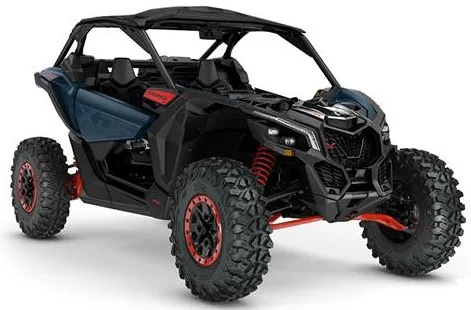
Can-Am Maverick X3 DS Turbo: Proven Turbo Value
The Can-Am Maverick X3 DS Turbo remains one of the cleanest budget sport UTV build choices.
It gives riders a turbocharged Can-Am platform without jumping straight into Maverick R money. That matters. Many buyers want the Can-Am name, a sport cockpit, and a strong aftermarket path. However, they may not want a $40,000-plus starting point.
The X3 DS Turbo makes sense for desert trails, open terrain, and riders who want a proven platform. It also works well for staged builds. You can buy the machine, ride it, then upgrade accessories over time.
If you are building an X3, start with visibility and safety. The Can-Am Maverick X3 Accessories page gives X3 owners a direct path into round roll bar accessories.
You can also read our deeper build guide here: Can-Am Maverick Accessories for X3 and Maverick R.
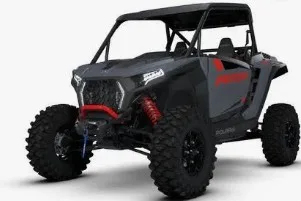
Polaris RZR XP 1000 Sport: The $20K Polaris Play
The Polaris RZR XP 1000 Sport plays a different game.
At this price, Polaris does not give you the RZR Pro R or Pro XP. Instead, it gives you the RZR XP 1000 Sport. That means 64-inch width, a strong chassis, and a broad RZR support network.
However, it does not give you turbo horsepower at the $19,999 level.
That does not make it weak. It makes it specific.
The RZR XP 1000 Sport fits riders who value the Polaris ecosystem. It also fits buyers who want a known platform with strong dealer support and plenty of accessory options.
For staged budget sport UTV builds, that can make sense. A buyer may choose a lower entry price, then add mirrors, whip mounts, fire extinguisher storage, and trail accessories over time.
RZR owners can start here: Polaris RZR Accessories.
For more RZR accessory planning, read this guide: Polaris RZR Accessories and Side Mirrors.
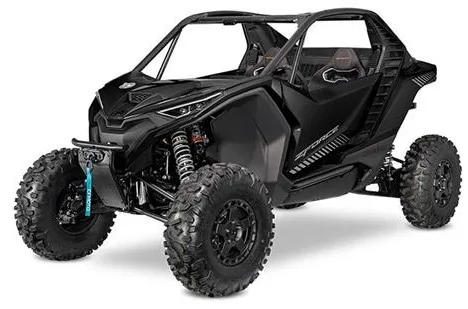
CFMOTO ZFORCE Z10: Budget-Performance King
The CFMOTO ZFORCE Z10 may be the loudest value argument in this group.
CFMOTO positions the Z10 at $19,999. It also gives buyers a turbocharged three-cylinder engine and a feature list that punches above its price. Because of that, the Z10 feels less like a basic budget machine and more like a budget-performance play.
Inside the CFMOTO lineup, the ZFORCE 950 Sport plays the budget king role at $15,999. However, the Z10 becomes the big brother. It gives CFMOTO buyers a higher-performance sport option without jumping into $35,000 to $45,000 halo pricing.
That distinction matters.
The Z10 does not directly fight the Maverick R X rs, RZR Pro R Ultimate, Segway Super Villain, or Kawasaki Teryx H2 on raw halo status. Instead, it fights with value. It asks a different question.
How much sport UTV can you get for $19,999?
That is why the Z10 belongs in this article.
For more detail, read our full Z10 guide here: CFMOTO Z10 Review and Fitment Guide.
There is one important fitment caveat.
Dirtbag Brands Mirror-01 fits the front round roll bar location on the CFMOTO ZFORCE Z10. However, rear accessory mounts are not currently listed for the Z10. Factory plastics cover the B and C pillar mounting areas.
For broader CFMOTO fitment information, use this guide carefully: CFMOTO UFORCE and ZFORCE Accessories Fitment Guide.
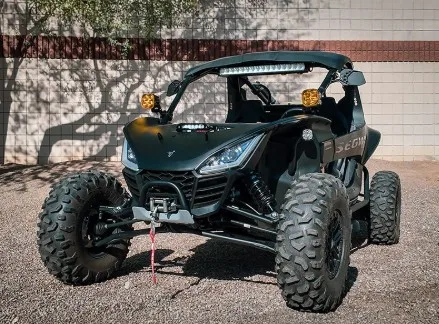
Segway Villain SX10: The Feature-Loaded Wildcard
The Segway Villain SX10 is the wildcard in this comparison.
It does not carry the same long sport UTV legacy as Can-Am, Polaris, or Kawasaki. However, it brings a strong value package. Depending on trim and listing, the Villain SX10 sits around the $18,999 to $19,999 range.
The Villain SX10 WP also brings a wider stance and a feature-heavy approach. That makes it interesting for riders who want a lot of machine for the money.
This machine fits buyers who do not mind choosing the newer name in the room. It also fits riders who want value, comfort, and aggressive styling without buying a top-tier flagship.
Segway Villain and Super Villain owners can start here: Segway Villain Accessories.
We also covered the bigger Segway platform here: Segway Super Villain 4 EICMA 2025.
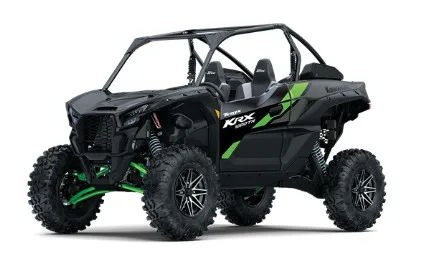
Kawasaki Teryx KRX 1000 TR: The Trail and Terrain Pick
The Kawasaki Teryx KRX 1000 TR sits slightly above the $20,000 target. Still, it belongs in the conversation.
Why?
Because many buyers do not shop by exact MSRP. They shop by payment, dealer availability, terrain, and long-term use. The KRX gives Kawasaki a strong entry in the budget sport UTV build discussion, especially for trail and technical riders.
The KRX personality feels different from the CFMOTO Z10 or Maverick X3. It does not lead with the wildest horsepower number. Instead, it leans into stability, durability, and confidence in rough terrain.
That makes it a strong choice for rocky trails, mountain riding, and technical sections where control matters more than bragging rights.
Kawasaki riders can start here: Kawasaki Round Roll Bar Accessories.
Where You Ride Changes the Build
Terrain should shape the machine choice.
A dune rider and a woods rider do not need the exact same build. Also, a rock rider may care about visibility and tire placement more than peak horsepower.
For desert and dunes, power and suspension matter. Wider machines can feel planted at speed. Strong whip mounting also matters because visibility in group traffic matters.
For rocky trails, sightlines matter more. You need to see the terrain, the vehicles around you, and the line behind you. Mirror placement can help the driver read the environment faster.
For tight trails, width matters. A 64-inch machine may feel easier to place. That makes the Maverick X3 DS Turbo, RZR XP 1000 Sport, Z10, and KRX especially relevant.
For open western riding, the big-brother models start to make more sense. However, not every rider needs that level of price or power.
That is why budget sport UTV builds matter. You can choose the right machine first. Then, you can build the machine around your terrain.
What Happens When You Step Up?
Every brand has a different big-brother story.
Some brands offer a true halo machine. Others focus on value instead. That comparison helps buyers understand what they gain when they spend more.
| Brand | Budget Build Model | Big Brother Model | Power / Suspension Story |
|---|---|---|---|
| Can-Am | Maverick X3 DS Turbo | Maverick R X RS | 240 hp turbocharged Rotax 999T triple, FOX 3.0 Podium RC2 shocks, Smart-Shox option, massive suspension travel |
| Polaris | RZR XP 1000 Sport | RZR Pro R Ultimate | 225 hp naturally aspirated 2.0L ProStar Fury engine, DYNAMIX DV 3.0, FOX 3.0 Live Valve X2 shocks, up to 29 in. usable travel |
| Segway | Villain SX10 WP | Super Villain SX20T | 235 hp 2.0L turbo engine, 7-speed transmission, 20 in. front / 21 in. rear travel |
| Kawasaki | Teryx KRX 1000 TR | Teryx H2 Deluxe eS | 250 hp supercharged H2 engine, FOX Podium 3.0 Live Valve adaptive shocks, 23+ in. travel range |
| CFMOTO | ZFORCE 950 Sport | ZFORCE Z10 | Z10 is CFMOTO’s current sport flagship, with 154 hp turbo power at $19,999 |
The Can-Am Maverick R X rs and Polaris RZR Pro R Ultimate sit in the big-money halo lane. So does the Kawasaki Teryx H2. The Segway Super Villain also gives Segway a serious high-performance option.
CFMOTO is different.
The ZFORCE Z10 does not chase those machines dollar for dollar. Instead, it becomes the top sport option in the CFMOTO lineup. It wins by saving money, not by trying to out-halo the halo machines.
For more Polaris flagship detail, read our 2026 Polaris RZR Pro R Ultra Edition Specs and Accessories.
For more Maverick comparison detail, read our 2026 Can-Am Maverick X3 vs Polaris RZR XP 1000 vs RZR Pro XP article.
Budget Build Does Not Mean Cheap Build
Saving money on the machine does not mean buying disposable accessories.
That point matters.
A smart budget sport UTV build saves money in the right places. It does not gamble on weak mirrors, flimsy mounts, or cheap parts that only look good online.
Cheap marketplace accessories can look fine in the cart. However, real terrain tells the truth. Washboard roads, dune chatter, rocks, heat, dust, and vibration can expose weak hardware fast.
Mirrors need to hold position. Whip mounts need to carry leverage. Fire extinguisher mounts need to stay secure. Rotopax mounts need to handle weight and movement.
So, a budget build still needs quality parts.
That is why Dirtbag Brands focuses on billet construction, mechanical fitment, and round roll bar compatibility. The goal is simple. Build the machine in stages, but do not build it twice because the first parts failed.
For a broader staged-build strategy, read our Budget UTV Build Guide.
One Round Roll Bar Accessory System Fits Most of These Machines
Most machines in this article share one big advantage.
They work with round roll bar accessory mounting.
That includes the Can-Am Maverick X3, Maverick R, Polaris RZR XP, RZR Pro R, Segway Villain, Super Villain, Kawasaki KRX, and Kawasaki Teryx H2 platforms.
Dirtbag Brands round roll bar accessory mounts fit 1.5-inch to 2-inch roll bars without rubber shims. Also, Mirror-01 fits 1.75-inch to 2-inch roll bars with a patented clamp system. It also uses no rubber shims.
That matters.
Rubber shims can look like an easy answer. However, they add another material between the clamp and cage. Under vibration, heat, dust, and repeated shock loading, that can become a problem.
A budget build should not depend on guesswork.
If you need mirror fitment details, use the official UTV mirror fitment guide and learn more about how Sport UTV mirrors work.
For the main round roll bar mirror option, see the IronSight Mirror-01.
Build the Machine in Stages
A smart sport UTV build does not need every accessory on day one.
Start with the parts that improve visibility, safety, and trail readiness. Then, add storage and lighting support as the build grows.
Here is a clean order:
- Start with mirrors.
- Add a fire extinguisher mount.
- Add whip mounting for group rides and dunes.
- Add Rotopax storage for longer rides.
- Add other terrain-specific parts later.
Information systems with mirrors, start with IronSight Mirror-01.
Adding color and flare with whips, see the Legacy 360 Degree Whip Mount and the Billet UTV Whip Light Mount.
For safe, see the Legacy 360 Round Roll Bar Fire Extinguisher Mount.
For additional fuel or storage mounting, see the 6061 Billet UTV Rotopax Mount.
You can also find a local dealer through the Dirtbag Brands Dealer Locator.
Final Verdict: Which Budget Sport UTV Makes the Most Sense?
There is no single winner for every rider.
Instead, each machine wins a different lane.
Can-Am Maverick X3 DS Turbo if you want a proven turbo sport UTV around $20,000.
Polaris RZR XP 1000 Sport if you want the Polaris ecosystem and a strong non-turbo platform.
CFMOTO ZFORCE Z10 if you want the most aggressive budget-performance value.
Segway Villain SX10 if you want features, width, and a different value story.
Kawasaki Teryx KRX 1000 TR if you care about trail confidence, technical terrain, and stability.
Then, look at the big brothers if you want more power and budget matters less.
The Maverick R X rs, RZR Pro R Ultimate, Super Villain SX20T, and Teryx H2 all bring serious performance. However, they also bring serious price tags.
That is why budget sport UTV builds matter in 2026.
You can buy a smart platform, build it in stages, and still use quality accessories that fit right. That path saves money without turning the build into a pile of cheap parts and regret.
FAQ
Frequently asked questions about these machines.
The best choice depends on the rider. The Can-Am Maverick X3 DS Turbo offers proven turbo value. The Polaris RZR XP 1000 Sport offers a strong Polaris platform. The CFMOTO ZFORCE Z10 offers aggressive spec value. The Segway Villain SX10 brings features and width. The Kawasaki KRX 1000 TR sits slightly higher, but it belongs in the same shopping conversation.
The CFMOTO ZFORCE Z10 may be the strongest budget-performance value. It gives buyers a turbocharged platform at a $19,999 MSRP. However, it does not directly match the price or halo status of machines like the Maverick R, RZR Pro R, Super Villain, or Teryx H2.
No. The RZR XP 1000 Sport is not Polaris’ turbo flagship. It is the $19,999 RZR platform in this comparison. Buyers who want the Polaris halo machine should look at the RZR Pro R Ultimate.
The Can-Am Maverick R is the big-brother platform above the Maverick X3. For this comparison, the Maverick R X rs makes sense because it sits in the higher-performance halo category.
ost machines in this article use round roll bar accessory fitment. Dirtbag Brands round roll bar accessory mounts fit 1.5-inch to 2-inch roll bars without rubber shims. Mirror-01 fits 1.75-inch to 2-inch roll bars with a patented clamp system and no rubber shims.
Dirtbag Brands Mirror-01 fits the front round roll bar location on the CFMOTO ZFORCE Z10. Rear accessory mounts are not currently listed for the Z10 because factory plastics cover the B and C pillar mounting areas.
Follow Dirtbag Brands in Google
Add Dirtbag Brands as a Preferred Source for more UTV fitment guides, product testing, powersports news, and industry coverage.

Comments are closed