

CF Moto Z10 Review (2026): What You Should Know Before You Buy
The CF Moto Z10 is one of the most talked-about machines in the 2026 lineup. On paper, it delivers turbocharged performance at a price point that puts pressure on established platforms.
However, once you get hands-on with the Z10, it becomes clear that this machine is built differently. That difference shows up not only in performance, but also in how it handles accessories and real-world use.
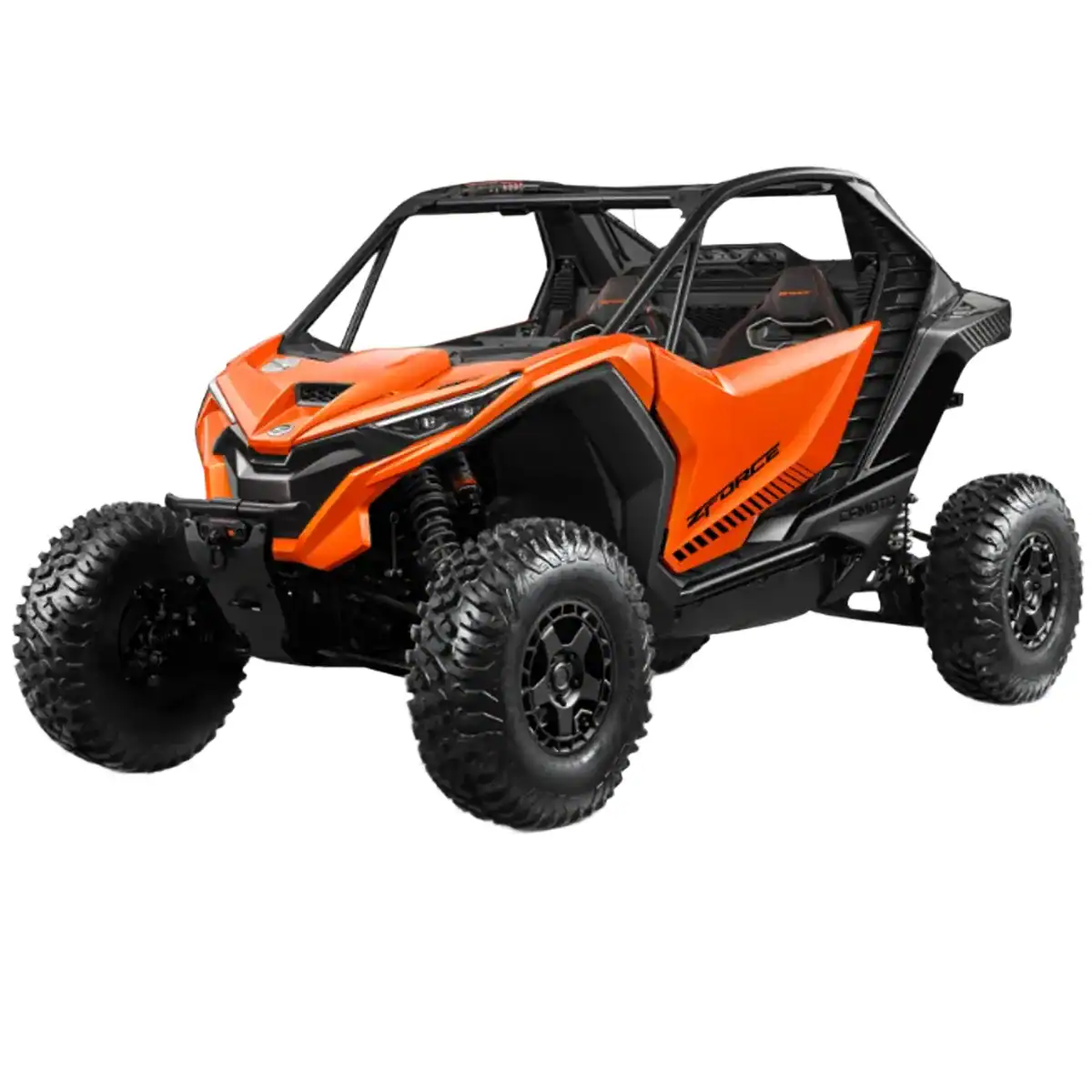
CF Moto Z10 First Impressions
Right away, the Z10 feels overbuilt. The chassis is rigid, the design is tight, and everything looks intentional.
At the same time, that tight integration comes with tradeoffs. Unlike older UTVs with open roll cages, the Z10 uses a more enclosed layout. Because of this, not every accessory solution translates over the way you might expect.
CF Moto Z10 Performance Overview
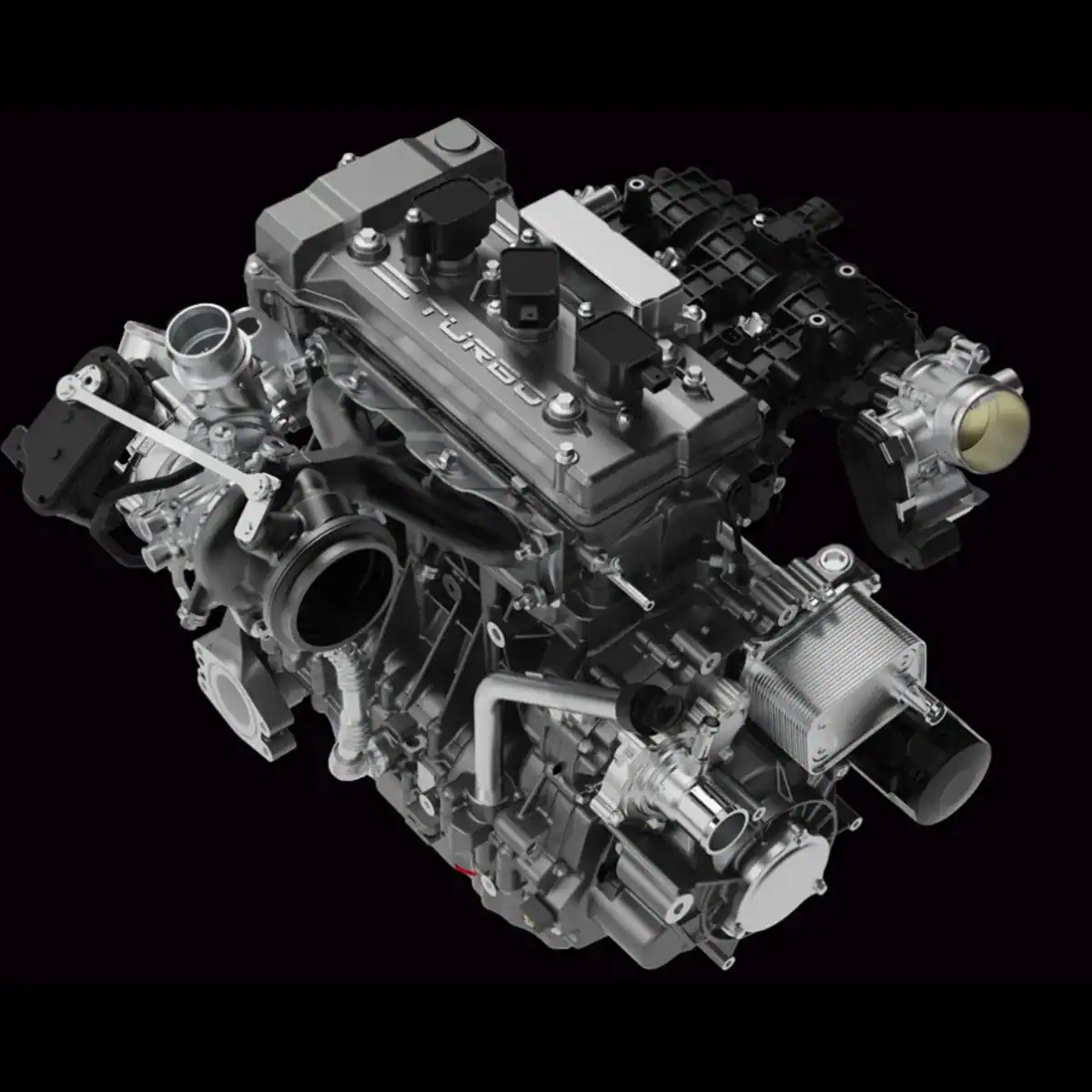
The Z10 is powered by a 998cc turbocharged triple producing 154 horsepower. More importantly, it’s designed to hold that power under stress instead of pulling back in extreme heat.
In addition:
- Forged pistons improve durability
- Team Industries clutching smooths engagement
- Cooling upgrades support sustained performance
As a result, the Z10 feels more refined than earlier value-focused machines.
Cooling System and Design Differences
CF Moto put significant effort into managing heat. Airflow now routes downward and away from the cargo area instead of pushing heat directly into stored gear.
Because of that:
- Performance remains consistent
- Cabin heat is reduced
- Long rides are more manageable
However, this design also affects how accessories interact with the machine.
Where the CF Moto Z10 Is Different
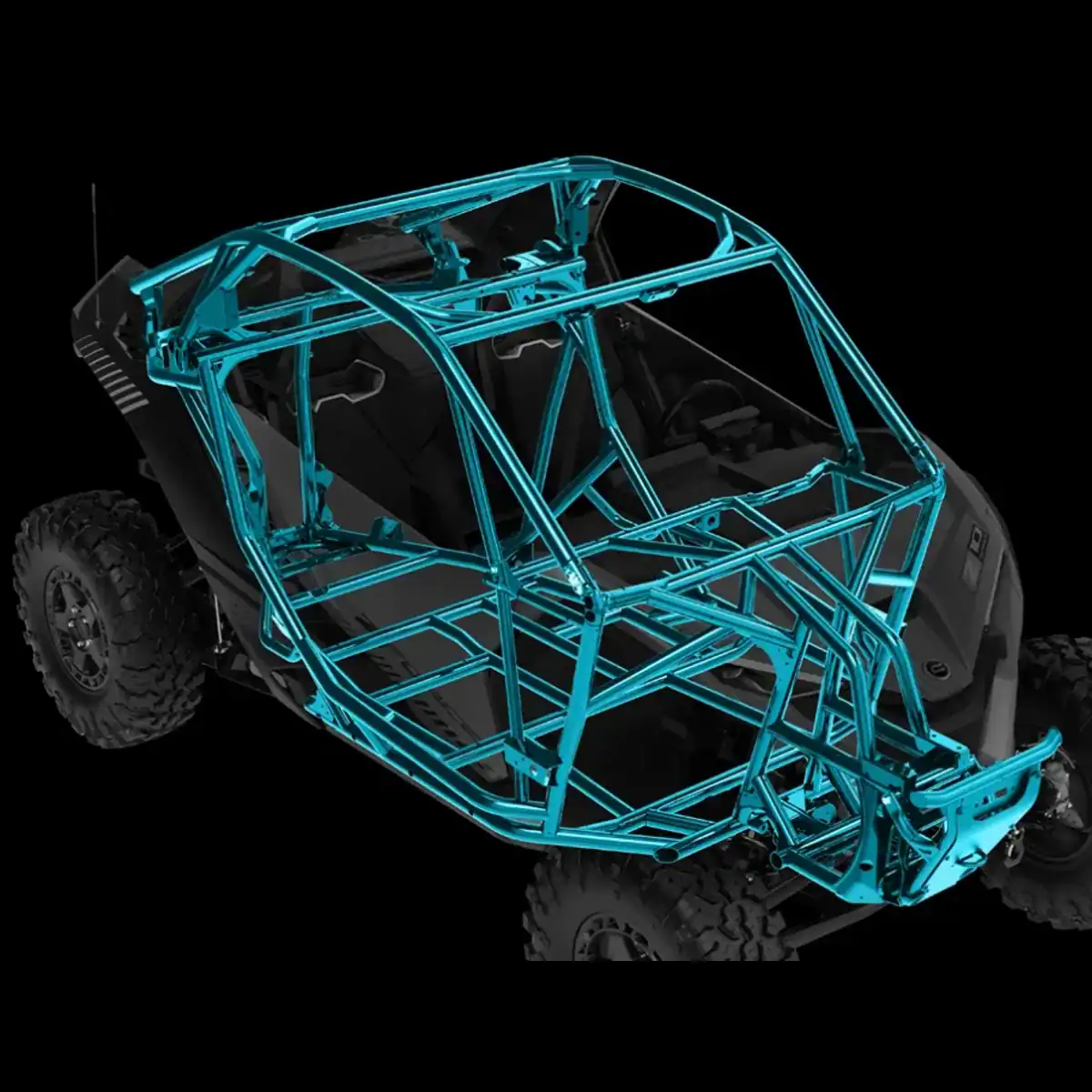
The biggest shift comes from how the chassis is built.
The Z10 features:
- Fully welded one-piece ROPS
- Extensive gusseting
- Integrated mounting points
Because of this, the Z10 is designed around bolt-on solutions, not universal clamp systems.
This is a key detail that affects how you approach setup.
Real-World Fitment: What to Expect
After testing fitment directly on the machine, one thing becomes clear.
The front section of the roll cage works as expected. However, the rear section tells a different story.
- Plastic body panels restrict access
- Clearance is limited
- Mounting locations are not fully usable

Because of this, fitment needs to be approached differently than older platforms.
Rear Storage Tradeoffs (and What It Means for Setup)

Storage is one of the first areas where the Z10 shows its design priorities.
The rear cargo space is partially limited by cooling components. As a result, there is less usable room than many riders expect.
Naturally, this leads riders to consider roll bar-mounted storage.
However:
- Rear cage sections are partially blocked
- Plastic limits mounting access
- Traditional clamp systems do not fit cleanly
Because of this, planning your setup ahead of time becomes critical.
Can You Modify the Z10 for More Mounting Options?
Technically, yes.
If you are willing to notch or trim the plastic panels around the rear cage, you can create clearance for clamp-style mounts. Once modified, the 2-inch cage underneath becomes usable.
However:
- The modification is permanent
- Fitment depends on execution
- Appearance may be affected
Because of this, modification should be considered carefully rather than treated as a default solution.
What Works Best on the Z10 Right Now
Based on real-world testing, the Z10 doesn’t favor a wide range of accessory mounting solutions—especially in the rear of the machine. They utilized bungs welded into the roll bar to favor their own accessories which should lead to plenty of aftermarket companies making products to fit them.
However, there is one upgrade from Dirtbag Brands, that works well when mounted correctly.
Mirror Fitment and Visibility on the Z10
Our billet mirrors mount directly to the upper section of the roll cage, not to factory mounting points or bungs.
Because of the Z10’s cage layout, there is a secondary horizontal bar that can interfere with visibility depending on mounting position.
However, this is where proper placement matters.
- The mirror’s extended neck allows you to position it outward
- Raising the mounting height helps move the secondary bar out of your line of sight
- The wider viewing angle allows you to see past the rear “hips” of the machine

As a result, you can achieve a clean rear view even with the cage structure in place. The even better news is our pod light mounts will help you kick out the viewability factor over the OEM mirrors as well being mounted to the wider bar and help with mirror vibration and light chatter while off-road.
What About Other Clamp-On Accessories?
The Z10 still presents challenges for most clamp-style accessories.
While the cage itself is 2-inch round tubing, the surrounding plastic limits usable mounting space.
This affects accessories like:
Even though these are designed for round roll bars, they typically do not fit cleanly in the rear sections due to clearance issues.
Final Thoughts on the CF Moto Z10
The CF Moto Z10 is not built like older machines. Instead, it reflects a shift toward integrated design and long-term durability.
Because of that, it rewards planning and understanding how the platform works.
If you approach it like a traditional open roll cage machine, you may run into limitations. However, if you understand how it’s designed, it becomes a strong and capable platform.
Disclaimer:
Fitment observations in this article are based on real-world testing and current vehicle configuration. Accessory compatibility may vary depending on model variations, installation methods, and modifications.
Any modification to factory components, including trimming or notching plastic panels, is performed at the owner’s discretion and may affect vehicle appearance, warranty, or resale value. Always verify fitment before purchasing or installing accessories.
FAQ
Yes, the CF Moto Z10 uses a 2-inch round roll cage. However, plastic body panels and cage design limit how much of that cage is actually usable for mounting accessories.
Yes, mirrors can be mounted to the upper front section of the roll cage. Proper positioning is important to avoid interference from the secondary crossbar and to maintain a clear rear view.
Not easily. The rear roll cage sections are partially blocked by plastic, which limits clearance for most clamp-style mounts.
Only in certain areas. While the cage size is standard, the design of the Z10 prevents many universal mounts from fitting cleanly, especially in the rear.
Yes, some riders may choose to trim or notch plastic panels to create additional clearance. However, this is a permanent modification and should be considered carefully.

Comments are closed